Why Entrepreneurs Keep Turning Business Income Into Property
The strategic role of real estate in diversification, cash flow and long-term wealth.
A software founder or distributor routinely watches operational cash pool in commercial bank accounts where inflation slowly degrades its purchasing power. Reinvesting every surplus dollar back into inventory, customer acquisition, or payroll often yields diminishing returns or introduces unneeded execution risk. Directing that corporate dividend into real property represents a decisive pivot from generating earned income to defending long-term enterprise solvency.
Operating businesses are inherently delicate mechanisms exposed to vendor shifts, consumer volatility, and technical disruption. A company that generates substantial free cash flow today can see its primary revenue channels evaporate within a competitive cycle. Real estate alters that exposure by converting volatile business earnings into physical structures, securing capital within land and concrete that maintain functional utility irrespective of corporate obsolescence.
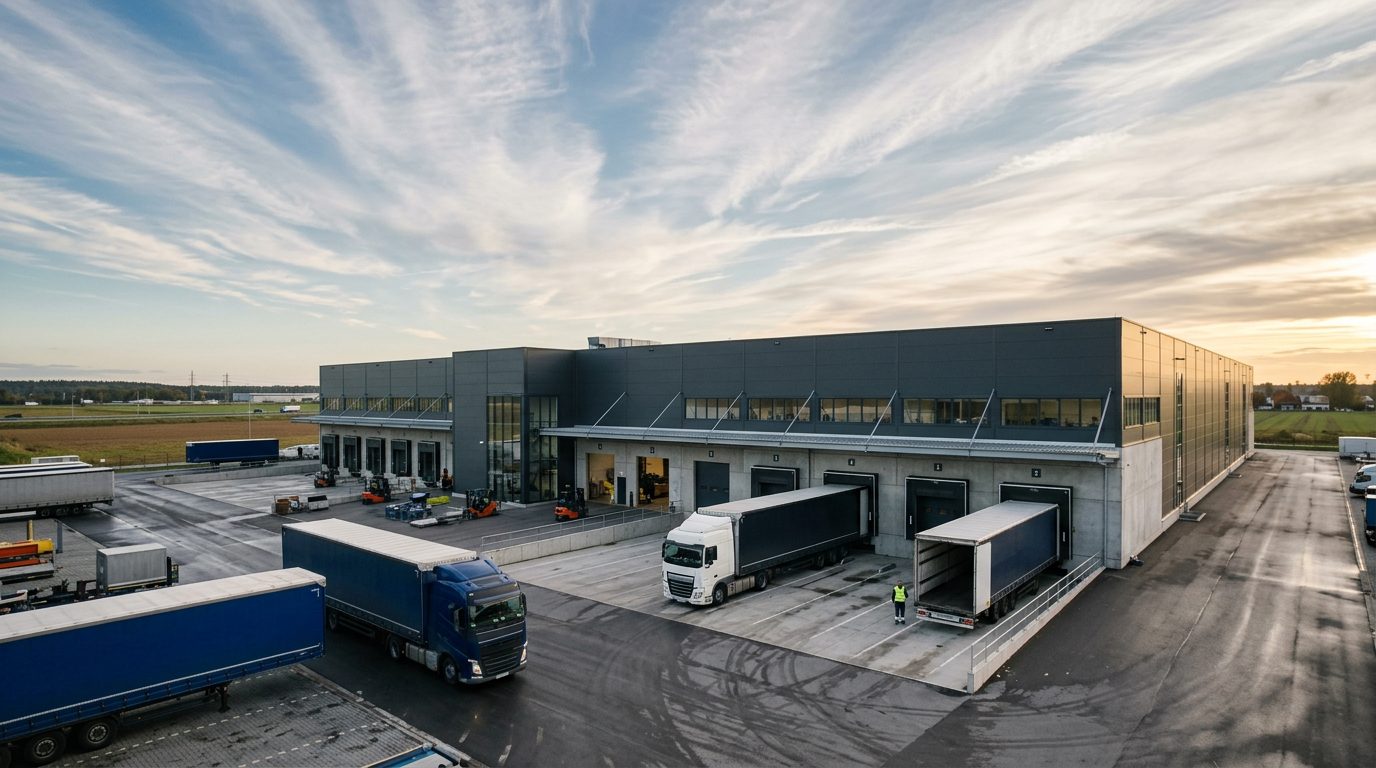
A primary framework for founders involves acquiring their own operational facilities through a distinct property entity. By establishing a separate real estate company to purchase the warehouse, clinic, or corporate headquarters, the enterprise pays market rent directly to its owner. This structure shifts cash out of the active operational risk environment, amortizes commercial debt, and creates an independent balance sheet asset funded entirely by normal business operations.
A second mechanism relies on tax efficiency through capital depreciation. Commercial real estate allows owners to write down the theoretical wear of physical components against ongoing revenues. Through engineering studies that accelerate cost recovery on building systems, property owners can generate accounting losses that shelter significant cash distributions from immediate taxation. Capital that would otherwise leave the business as tax payments remains active within the physical asset portfolio.
A third structural lever is the asymmetric financing available for tangible property compared to operational business credit. Commercial lenders routinely extend long-term, non-callable debt secured by land and buildings. Through disciplined capital improvement, an owner can increase asset valuations and complete cash-out refinancings, extracting original equity to deploy into subsequent acquisitions while retaining ownership of the cash-flowing base asset without triggering taxable sale events.
Beyond balance sheet mechanics, real property serves as an emotional and financial buffer against operational drawdowns. During economic contractions when business operating margins narrow, commercial lease agreements remain legally binding obligations. The predictable flow of rental disbursements provides baseline liquidity that helps executives weather dry spells in their core markets, removing the desperation that often forces founders into unfavorable operational compromises.
Successful execution requires founders to treat real estate as an institutional allocation rather than a managerial distraction. Operating companies require intense, daily leadership focus to maintain competitive margins. When entrepreneurs attempt to self-manage tenant disputes and physical maintenance, they erode the operational value of their core businesses. Establishing third-party property management protocols protects executive attention while preserving the passive nature of real estate returns.
The strategy fails when operators confuse real estate investment with passive speculation or misjudge its capital demands. Founders often overextend by relying on short-term debt instruments or by failing to reserve liquid capital for structural repairs, tenant improvements, and vacancy cycles. When an operating company suffers a downturn at the exact moment a property portfolio requires capital calls, cross-collateralized assets can quickly unravel both operations simultaneously.
Physical property also provides valuation decoupling from the swings of business multiples. An operating firm is routinely priced on changing valuation metrics, customer retention projections, and executive continuity. Land and buildings, conversely, retain intrinsic value based on location, replacement cost, and zoning constraints. This underlying floor ensures that even if an operating sector undergoes structural compression, the property portfolio retains foundational market value.
As digital disruption and platform dependence accelerate across global commerce, the strategic value of irreplaceable physical footprints will become increasingly pronounced. The founders who survive generational market transitions will not be those who kept their entire fortune tied to operating margins, but those who steadily converted intangible business success into permanent, defensible real assets anchored to the physical world.