Why Affluent Consumers Still Pay for Experience
In luxury, the experience around the product increasingly defines its value.
A client stepping into an atelier on London's Savile Row or a private salon in Paris rarely begins by examining fabric bolts. Instead, the interaction starts with an unhurried consultation in a quiet room, seated in quiet comfort while an attendant records specific posture nuances and lifestyle habits. The garment itself emerges weeks later, but the perceived value of the commission is established in those first undisturbed minutes, where attention and personal space signal true scarcity.
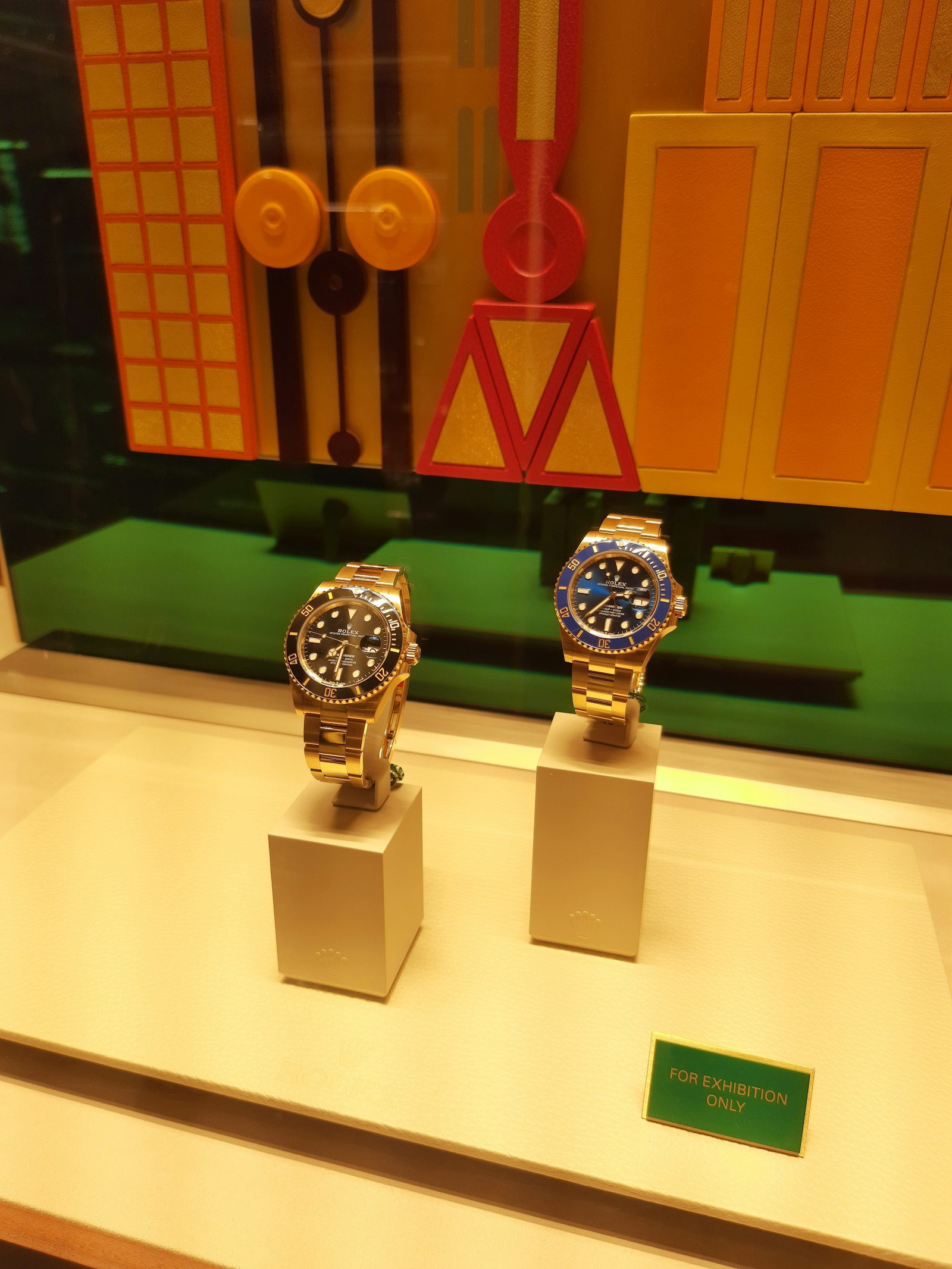
High manufacturing standards across global supply chains have steadily reduced the visible gap between standard consumer goods and luxury products. Precision stitching, fine leather, and reliable mechanical movements are no longer the exclusive preserve of historic European houses. Because technical quality has become commoditized, affluent consumers increasingly seek out the contextual choreography that surrounds a purchase, treating the service environment as the primary differentiator of true luxury status.
To translate this dynamic into operations, executives must deploy three distinct structural mechanisms. The first is deliberate friction absorption. In premium transactions, operational burden must shift entirely away from the buyer. This requires designing intake, fulfillment, and post-purchase servicing so that paperwork, logistics, and scheduling vanish from the client perspective. When an enterprise absorbs administrative complexity completely, the customer perceives an experience of rare effortlessness that justifies sustained price premiums.
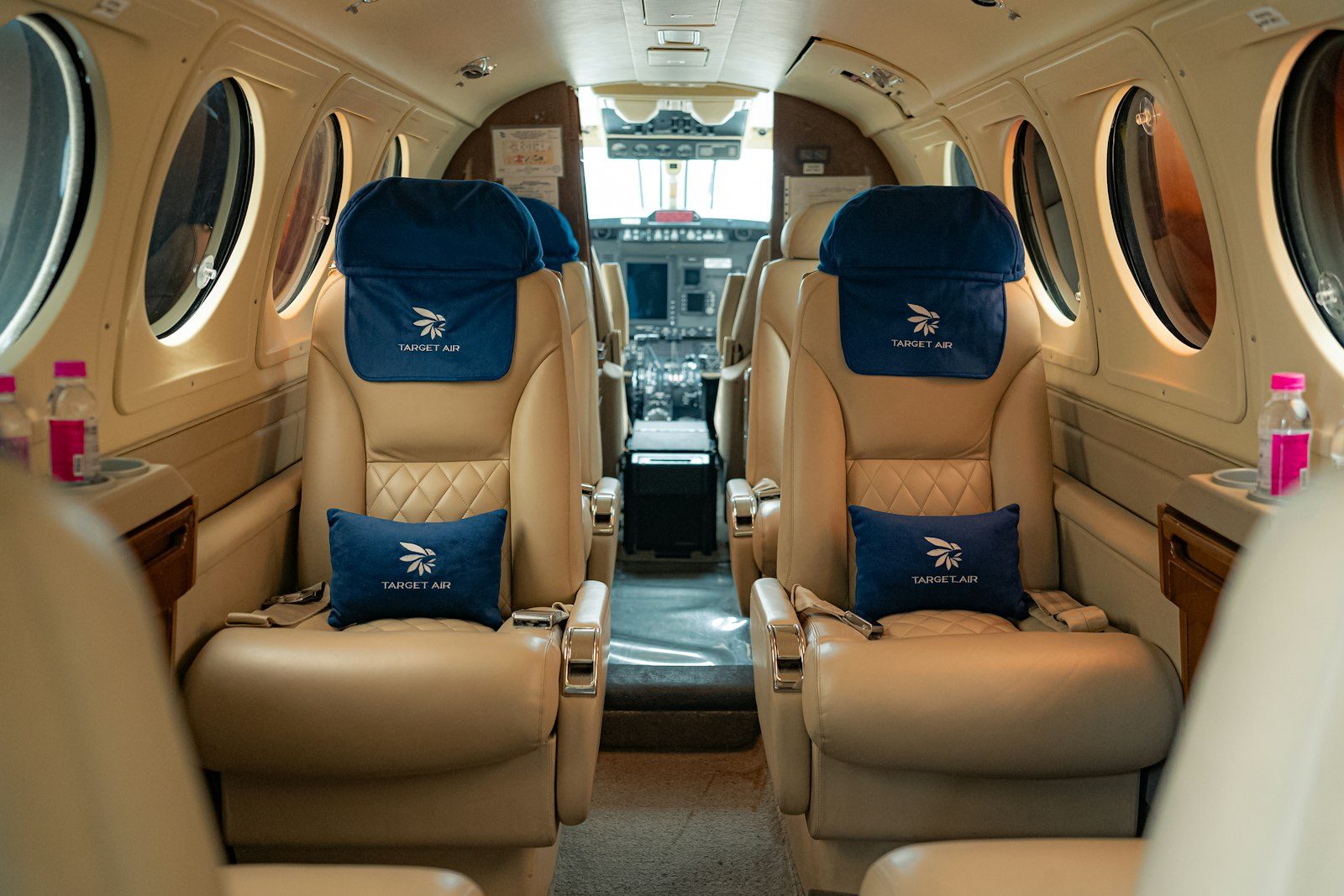
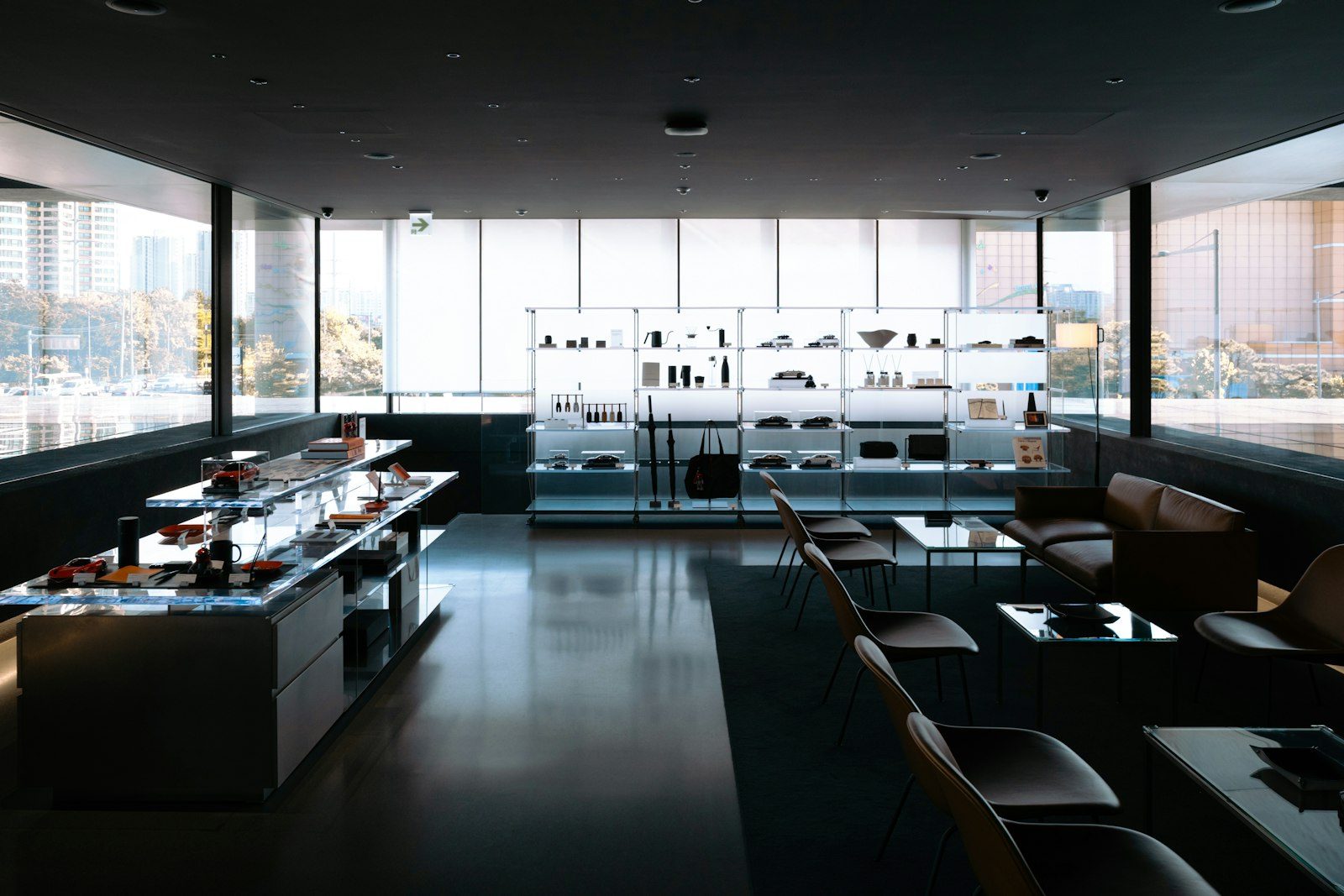
The second operational mechanism centers on contextual hospitality. High-end brands increasingly integrate hospitality practices into conventional retail settings, treating commercial venues as residential salons or private dining environments. By training personnel in hotel-grade guest relations rather than transactional sales techniques, retail operators create spaces where dwell time is prized over immediate conversion. This environment encourages clients to associate the house with comfort and personal regard rather than commercial extraction.
The third mechanism is curated access governance. Affluent consumers value environments where entry is modulated by shared standards, taste communities, or personal introductions rather than public promotion. Creating invitation-only gatherings, private collection previews, or member-only lounges builds social cohesion around the brand. When access feels selective and earned through genuine brand affinity, the overall experience reinforces the buyer sense of belonging to an intimate and discerning peer circle.
Underlying these operational models is the shifting calculus of personal time. For high-earning individuals, uncommitted time and mental quietude represent the rarest resources. An experience that respects client time, provides sanctuary from public demands, and resolves potential headaches before they manifest delivers a level of utility that physical objects cannot match. The purchase becomes an investment in emotional decompression and focused human interaction.
Experiential execution falters, however, when leadership mistakes theatricality for genuine service. A common failure mode involves layering performative gestures, such as complimentary champagne, scripted greetings, and heavy decor, over rigid or slow operational infrastructure. Sophisticated buyers quickly recognize when staff members are executing a generic script rather than responding to individual preferences. Theatrical pretension without underlying flexibility or authentic competence diminishes credibility and drives clients toward less ostentatious, more capable competitors.
Another critical organizational discipline involves maintaining parity between digital platforms and physical spaces. High-touch hospitality in a flagship store creates high expectations that must extend to remote communications, logistics tracking, and client advisory services. When a brand delivers flawless personal attention in person but relies on impersonal automated forms online, the experiential illusion breaks. Cohesion across every contact point preserves the sense of individual recognition that characterizes authentic luxury.
Evaluating the return on these experiential initiatives requires moving beyond traditional sales metrics. Instead of measuring immediate transactional productivity per square foot, leaders must assess relationship longevity, client retention stability, and referral vitality. Capital spent on physical comfort, staff training, and private hospitality functions as sustained relationship equity. The ultimate business asset in the premium sector is the durable willingness of clients to bypass market alternatives entirely.
The trajectory of luxury will continue to drift away from physical possession as affluent consumers seek deeper psychological utility. Brands that succeed in the coming years will not merely manufacture beautiful artifacts; they will operate sophisticated hospitality architectures that provide discretion, effortless service, and personal validation. Companies that treat the experiential layer as an essential product component, rather than an optional marketing cost, will command lasting authority in the market.