Trade and AI Policy Head to the Table as Xi Visits Washington
Beijing confirmed a state visit this week, following weekend talks that US officials described as a successful engagement.
China's Foreign Ministry confirmed on Monday that President Xi Jinping will make a state visit to the United States between Sept. 23 and Sept. 25, setting up a meeting with President Donald Trump that policymakers expect to cover trade, tariffs and artificial intelligence, according to reporting by The Associated Press.
The confirmation followed weekend discussions in New York between Treasury Secretary Scott Bessent and Chinese Vice Premier He Lifeng. Bessent told reporters the two sides had a very successful engagement and said the talks touched on both trade and AI. Equity futures rose after those comments, a reminder of how directly diplomatic tone now feeds into market pricing.
At the center of the negotiation is a reciprocal tariff reduction under discussion covering roughly $30 billion of goods from each country, per Associated Press coverage. The figure is modest relative to overall bilateral trade, but its structure matters more than its size: a reciprocal framework would establish a template that could be widened category by category.
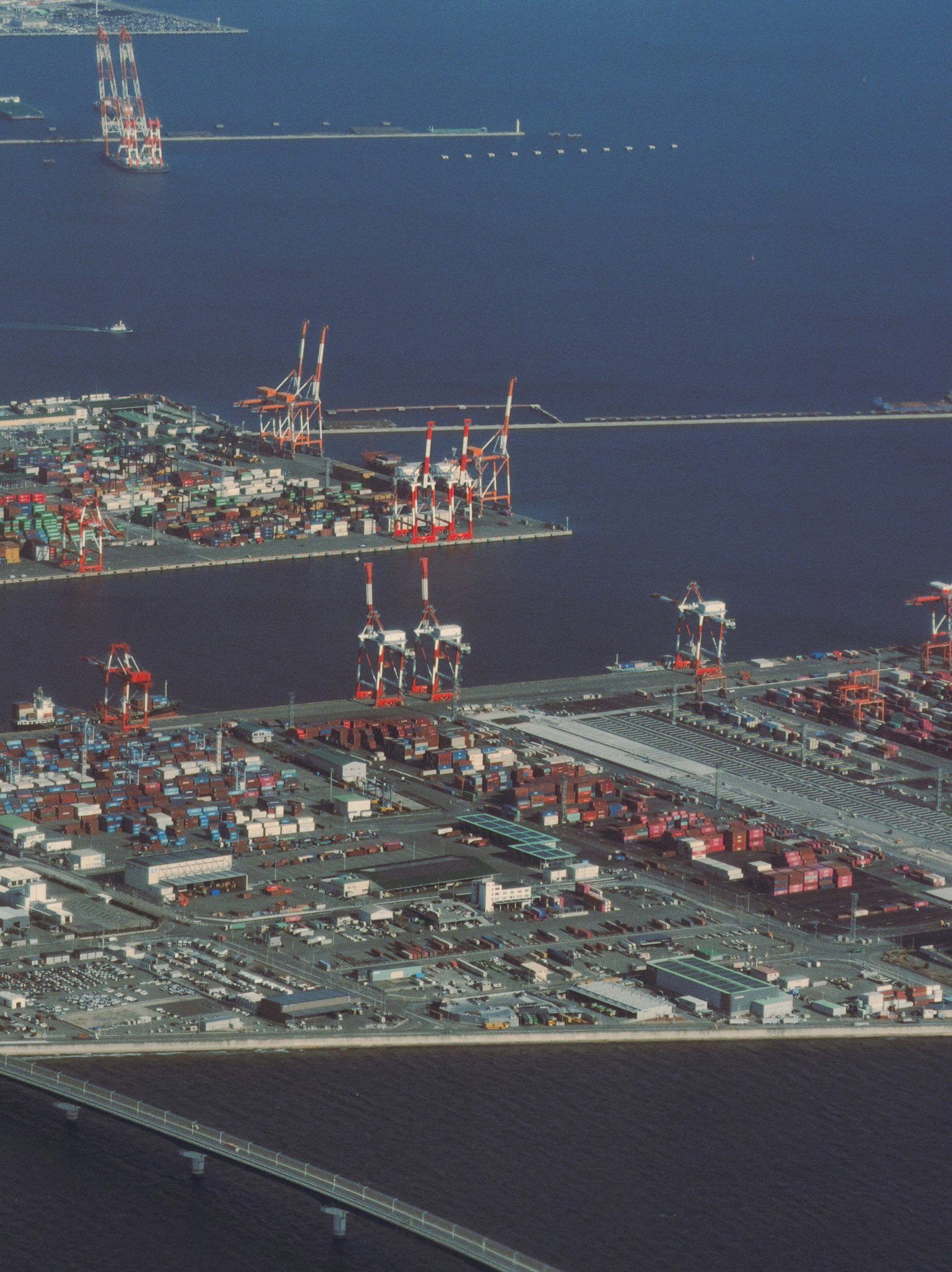
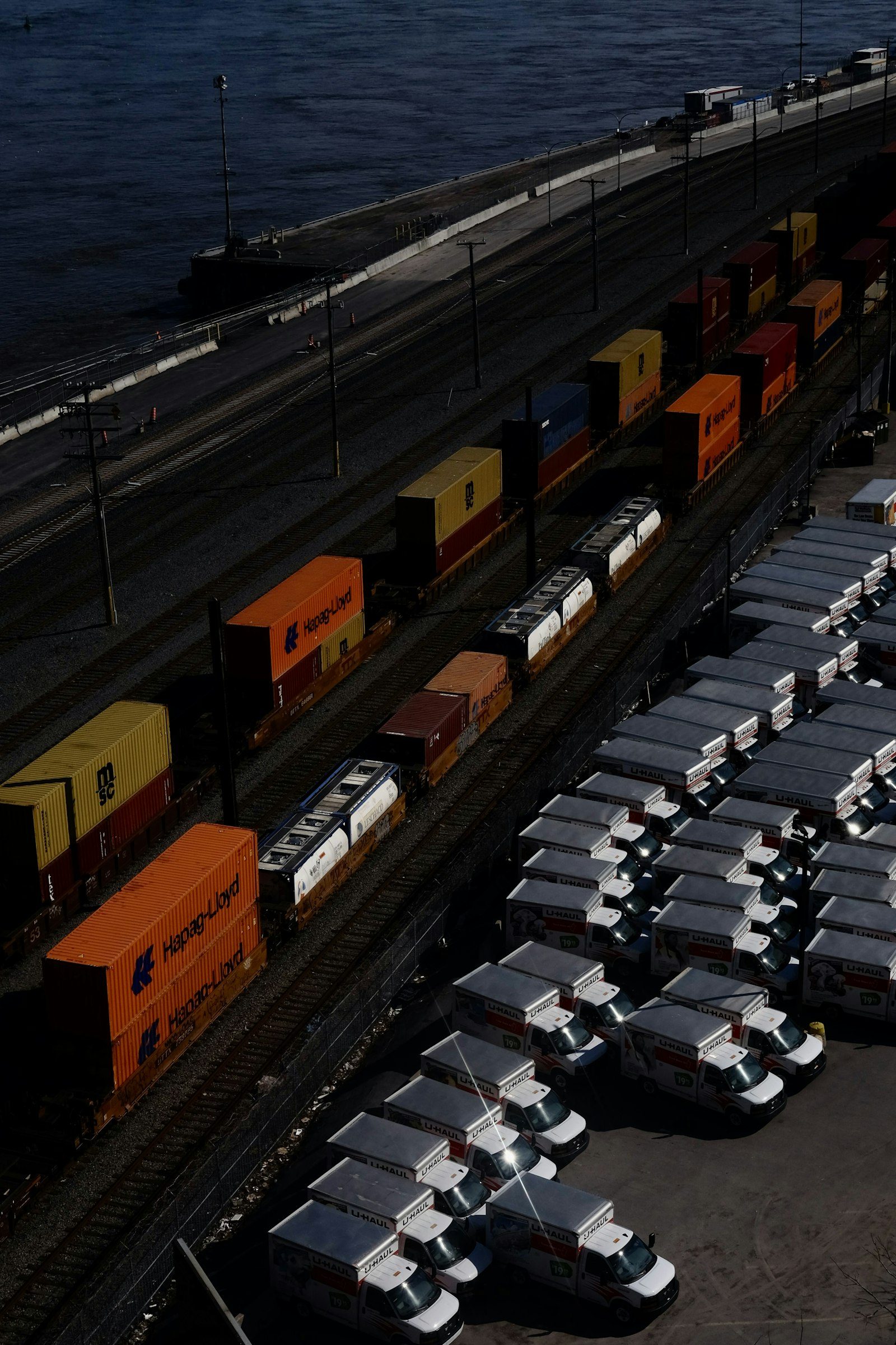
For American companies, the most consequential outcome may be predictability rather than relief. Importers have spent three years rebuilding sourcing maps, qualifying second suppliers in Southeast Asia and Mexico, and pricing tariff exposure into contracts. Executives have consistently said that a stable, published schedule of duties is worth more to capital planning than a lower rate that can be reversed by announcement.
Technology policy is the harder file. AI safety and export controls sit at the intersection of national security and commercial strategy, and neither government has an obvious incentive to concede ground before the other. The practical question for chip buyers, cloud providers and industrial customers is whether the meeting produces a working channel on AI standards or simply a joint statement.
Markets read the summit as a risk-reduction event. Asian indexes advanced on Monday ahead of the visit, with Hong Kong's Hang Seng up about 0.9% and the Shanghai Composite up roughly 1%, while US futures climbed. That pattern reflects a lower probability of escalation being priced in rather than confidence in any specific deal.
The summit also lands in a crowded week. Trump is scheduled to attend the United Nations General Assembly, where the conflict involving Iran remains the dominant geopolitical file and where oil prices have been swinging on every signal about supply routes through the Strait of Hormuz.
Supply chain leaders are treating the meeting as a checkpoint, not a resolution. The operating assumption inside most multinational procurement organizations is that dual sourcing, regional inventory buffers and tariff-engineering reviews remain permanent functions regardless of the outcome. Companies that dismantled those capabilities during earlier thaws paid to rebuild them.
Three questions will determine whether the visit moves markets beyond a single session: whether the $30 billion reciprocal reduction is signed rather than described, whether any agreement includes a dispute mechanism with defined timelines, and whether AI and semiconductor export policy is handed to a standing working group. Each would change the planning horizon for companies with China exposure.
Absent those specifics, executives should expect the current regime to hold: elevated duties, active enforcement, and a trade policy environment in which the most valuable corporate asset is the ability to reroute production faster than competitors.