Oil Slides Toward $100 as Gulf Supply Proves Steadier Than Feared
Tanker data showing recovered Saudi exports pulled crude to an 11-day low, easing an inflation channel that has driven rate expectations higher.
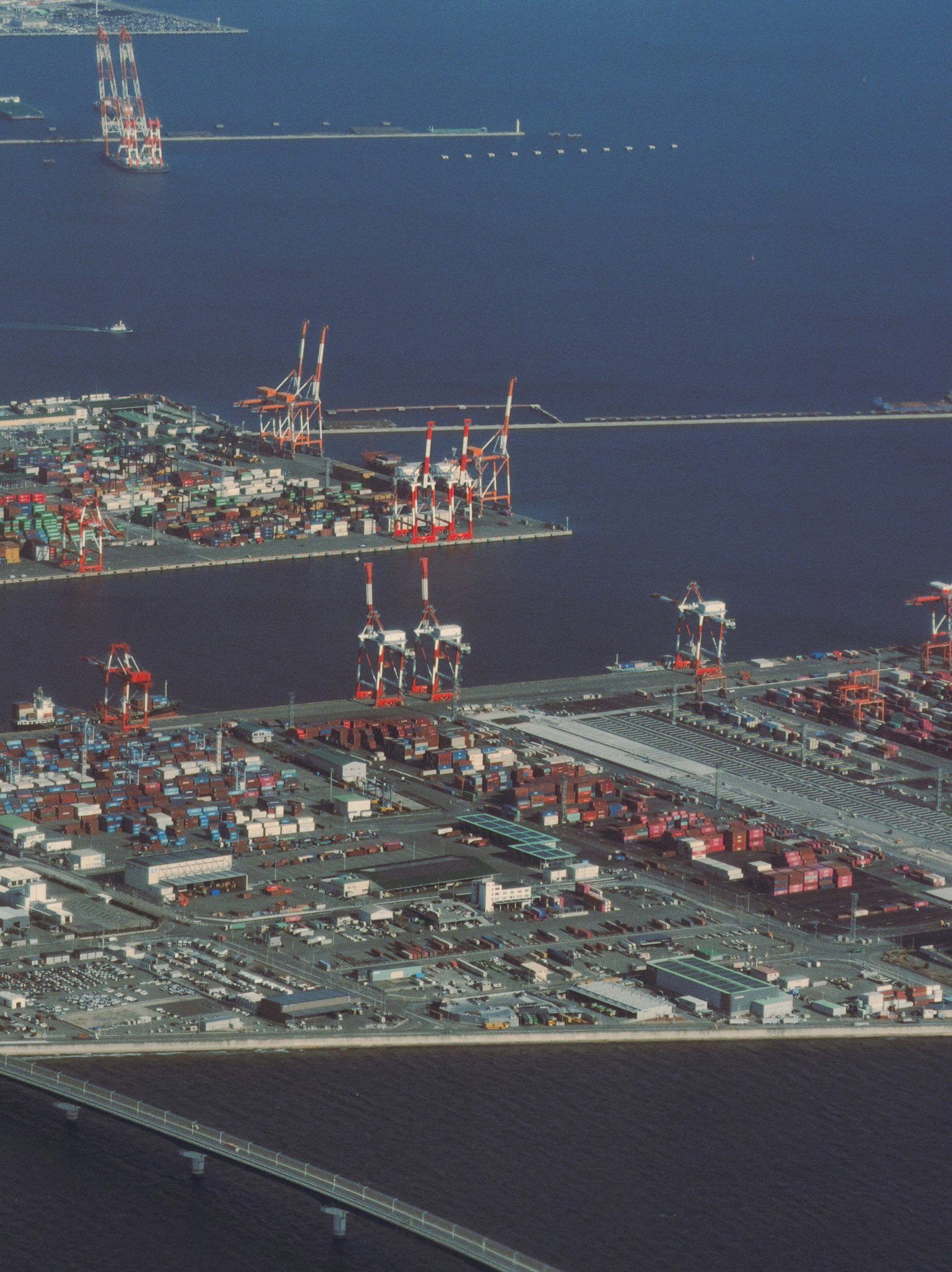
Crude prices fell more than 3% on Monday to an 11-day low, with Brent retreating toward $100 a barrel from highs above $109 last week, as shipping data indicated that more oil was leaving the Gulf than traders had assumed, according to Reuters.
Tanker tracking cited in Monday's coverage showed Saudi exports recovering to just over four million barrels per day this month, and vessel traffic through the Strait of Hormuz picking up. Neither datapoint resolves the underlying conflict, but both undercut the most severe supply-disruption scenarios that had been priced into the curve.
The move mattered well beyond energy desks. Lower crude pulled Treasury yields down, with the 10-year falling to roughly 4.95%, and helped equity indexes rally more than 1% across much of Europe and Asia. Oil has become the transmission mechanism between geopolitics and the cost of capital: a $10 move in Brent now reprices rate expectations within hours.
The geopolitical picture remains unsettled. Iran's central military command said it had received information that the United States was preparing to resume strikes, and warned of retaliation against American bases and interests in the region, according to Al Jazeera. Trump said he was in what he called a deciding mode on Iran and indicated he would be open to meeting Iranian President Masoud Pezeshkian on the sidelines of the United Nations General Assembly.
A separate pressure point is Yemen. Saudi Arabia has pressed Washington for military help against Houthi forces after an attack on Riyadh, a request The New York Times reported the president has weighed for two weeks. Any expansion of the conflict toward the southern end of the Red Sea corridor would re-introduce the shipping-risk premium that faded on Monday.
One strategist quoted by Reuters captured the market's posture bluntly, describing last week's pricing as somewhat apocalyptic and Monday's retreat as a minor correction within a still-upward trend. That framing is consistent with how insurers and charterers are behaving: rates for Gulf routes remain elevated even as spot crude falls.
For corporate planners, the operative number is not the daily print but the width of the distribution. Freight, packaging, petrochemical feedstock and utility contracts are all being negotiated against a band that has moved roughly $20 in a month. Procurement teams that hedged mechanically at the top of that band are carrying a cost their competitors are not.
Airlines, logistics operators and heavy manufacturers face the sharpest exposure, since fuel and energy sit directly in cost of goods. Several have shifted to shorter hedging tenors to avoid locking in crisis-period pricing, accepting more quarterly volatility in exchange for avoiding a structurally high floor.
The inflation consequence is what draws central bankers in. Futures markets were pricing roughly a 53% chance of a Federal Reserve increase in October and close to 89% odds by year-end, a path built substantially on energy pass-through rather than on wage or demand pressure.
That leaves an uncomfortable dependency: the near-term direction of borrowing costs for American businesses is being set, in part, by tanker departures from a handful of Gulf terminals. Until the supply picture stabilizes, companies should plan capital spending against a range rather than a forecast.